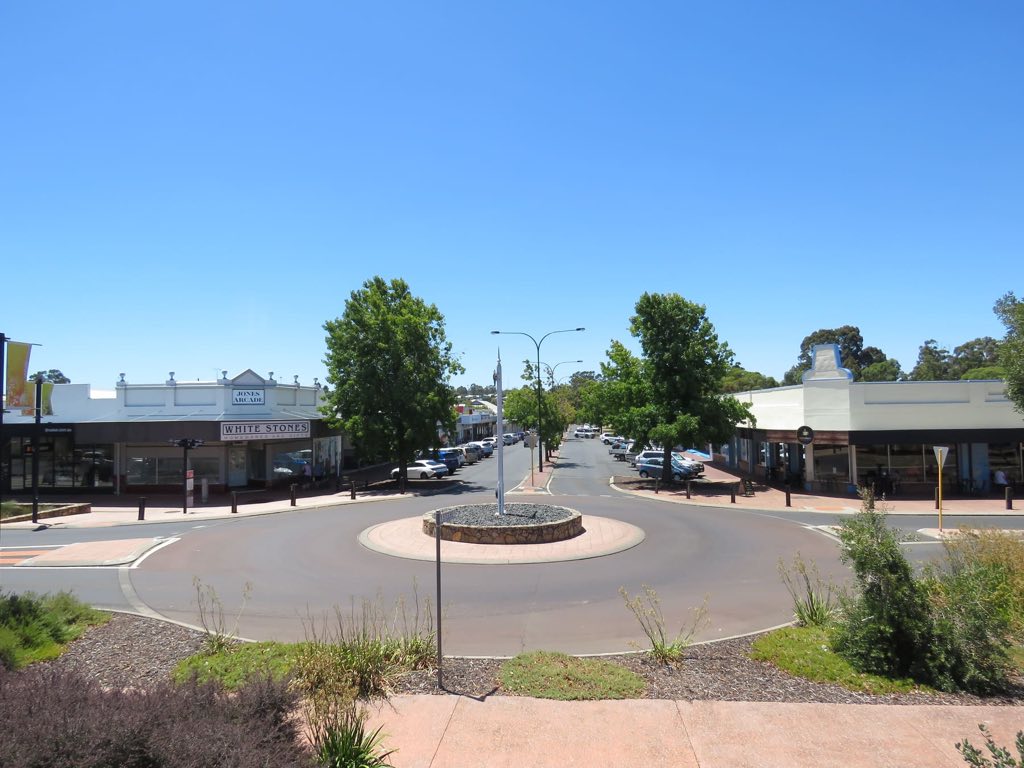
Collie has a long history of residential, commercial, railway, energy and industrial activity. That history is part of the town's identity, but it does not mean that a particular property is contaminated. The status of an individual site must be checked from property-specific evidence.
A seller may know that land once held a workshop, fuel tank, depot, dry-cleaning activity, waste area or other use that deserves investigation. The question is not how to make that history disappear from the campaign. It is how to establish what is known, what has been assessed and what a buyer still needs to investigate.
This article is general seller-preparation and marketing information, not environmental, health, valuation, planning, legal or conveyancing advice. Suspected or confirmed contamination should be handled with the Department of Water and Environmental Regulation, appropriately qualified environmental professionals and the seller's legal advisers.
Understand what the public database can and cannot tell you
DWER administers the Contaminated Sites Act 2003 and the Contaminated Sites Regulations 2006. Its public Contaminated Sites Database provides information about classified sites with confirmed contamination. Sellers can search by location and review the available basic summary of records.
The department warns that a “no matches found” result does not mean the land is uncontaminated. Not all reported sites are displayed publicly. DWER says a Form 2 request can be used to search the fuller reported-sites register and obtain information about known or suspected contamination.
Official source: WA Government — Real estate and the Contaminated Sites Act 2003, checked 2 October 2026.
Keep the search result, search date and property details, then use professional advice to decide whether title, historical and Form 2 enquiries are also appropriate.
Search the title and property-interest records
DWER recommends checking the certificate of title because some site classifications require a memorial to be registered. A Landgate property-interest report can also return a basic summary for classified sites with confirmed contamination.
Collect the current title, deposited or strata plan, property-interest report and every memorial or instrument. Ask the settlement professional to explain the legal effect. Do not remove a title reference from the marketing pack simply because the seller believes the underlying work has been completed.
If a basic summary of records is available, retain the full document. It can describe the nature and extent of known or suspected contamination and identify restrictions, including limits on groundwater use, building construction or intrusive works.
Build a reliable land-use history
List known uses of the property and approximate dates. Include fuel storage, vehicle or machinery maintenance, workshops, chemical storage, waste disposal, fill, fire damage, mining-related activity and commercial processes. Add sources for each entry rather than relying on memory alone.
DWER's buyer-and-seller guidance recommends examining past land use, local government records, historic titles and aerial photography. Old plans, photographs, leases, licences, invoices and neighbour information may help direct enquiries, although none should be treated as a substitute for professional investigation.
Record removed tanks, demolished buildings and imported fill as well as visible current uses. If a tank was decommissioned, collect the contractor report, disposal record, validation samples and any regulator correspondence. “Tank removed” is not the same statement as “site tested and found suitable.”
Official source: DWER — Buying and selling contaminated land fact sheet, checked 2 October 2026.
Use an environmental professional where the history warrants it
A desktop review may identify a reason for further work. Environmental site assessments can involve records, interviews, site inspection, sampling and laboratory analysis. The scope should be set by a suitably qualified professional based on the property's history and proposed use.
Keep the original report, appendices, laboratory certificates, site plans and correspondence. If remediation or management was required, retain the plan, contractor records, validation report, auditor material where applicable and evidence of the regulator's classification or acceptance.
Do not extract one favourable sentence while omitting assumptions, limitations or later findings. Give the agent and legal advisers the complete current record so they can decide what buyers should receive and how the information should be described.
Distinguish classification, remediation and suitability
These terms are not interchangeable. Land may be classified in different ways, may have undergone remediation, and may still carry conditions or restrictions. Suitability also depends on the intended use. A site managed for a commercial use may require further assessment before a more sensitive residential use.
Use the exact wording and date from the current official record. Avoid marketing phrases such as “fully cleared,” “contamination free” or “safe for any use” unless a qualified source expressly supports that claim. Where restrictions apply, describe the record and direct buyers to their own due diligence.
The WA Auditor General reported on 30 September 2026 that DWER manages more than 1,500 known contaminated sites and receives more than 100 new suspected-site reports each year. That statewide audit reinforces why dated official evidence matters; it does not say that any particular Collie property is affected.
Official source: WA Office of the Auditor General — Assessment of Contaminated Sites, published 30 September 2026.
Tell the agent the material history
WA Consumer Protection says agents must make every effort to find out and pass on information that could influence a buyer's decision. Sellers should provide the agent with known contamination, suspected issues, official classifications, investigations, remediation and relevant restrictions.
Do not rely on a buyer to discover a problem after signing. Answer direct questions accurately, retain the supporting documents and use legal advice where the significance of a fact is uncertain. A disclaimer in an advertisement does not cure a false or misleading statement.
Official source: WA Consumer Protection — Material facts when buying a home, checked 2 October 2026.
Plan photographs and inspections around safety and evidence
Professional photographs can show the present condition of buildings, yards and improvements, but they cannot establish subsurface conditions. Do not photograph unsafe areas without a site plan and appropriate controls, and do not move drums, waste, stained soil or warning signs merely to improve the image.
If an investigation area, monitoring well or restricted zone exists, coordinate inspection access with the environmental adviser. Southside Media can work with the licensed agent on accurate captions and angles while technical statements remain tied to the formal reports.
Current Collie market context
REIWA's Collie suburb profile was updated 30 September 2026 using settled sales for the 12 months ending August 2026. It reported a median house sale price of $540,000, annual growth of 20.1 per cent, a lower-to-upper quartile range of $475,000 to $600,000 and a 15-day median selling time for houses.
Those suburb figures are not a valuation of former industrial, commercial or potentially affected land. Past use, classification, restrictions, remediation, development potential and buyer due diligence can materially change the assessment of an individual site.
Market source: REIWA Collie suburb profile, data updated 30 September 2026.
Collie past-land-use seller checklist
- Search the DWER public database and retain the dated result.
- Consider a Form 2 request with professional guidance.
- Obtain the title, memorials and property-interest report.
- Prepare a sourced history of past land uses, tanks, fill and incidents.
- Keep complete assessment, remediation and validation reports.
- Use exact current classification and restriction wording.
- Tell the agent and legal advisers the material history.
- Keep photography and listing claims within the verified evidence.
Use the Collie renovation and building-records guide to organise approvals for improvements, and the Collie sale-readiness checklist for the wider campaign.
Prepare your Collie property campaign carefully
Request a free property appraisal introduction and marketing review. A licensed professional can assess comparable evidence while environmental, legal and marketing specialists address their separate parts of the sale.
Request a free property appraisal